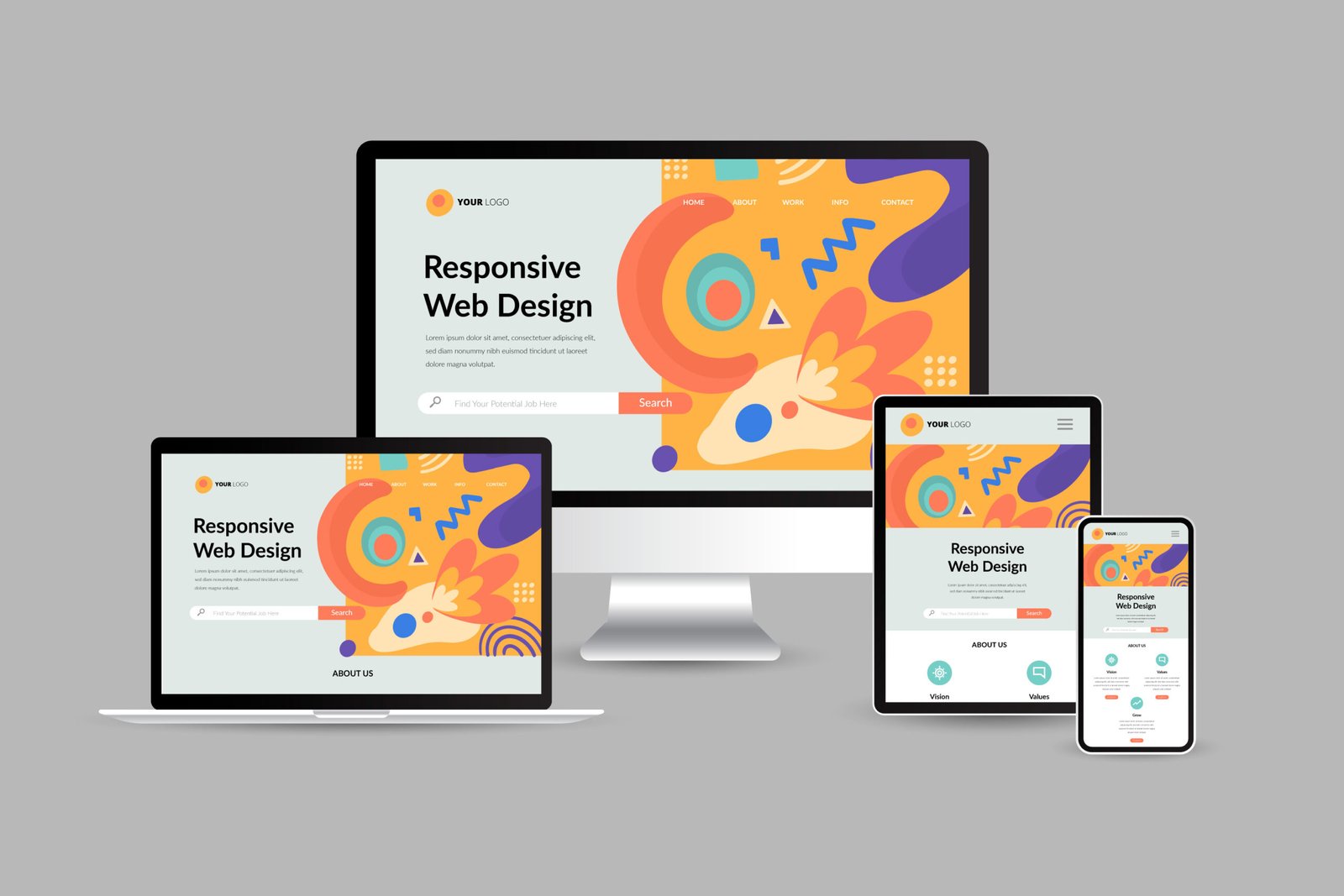
The benefits of responsive web design are manifold. Firstly, it improves user experience by eliminating the need for excessive zooming, scrolling, or panning to view content. Instead, users can navigate through the site effortlessly, regardless of the device they are using. This leads to higher engagement, lower bounce rates, and ultimately, increased conversions.
Moreover, responsive design is favored by search engines like Google, as it promotes a consistent user experience across devices. In fact, Google has implemented mobile-first indexing, meaning that it primarily uses the mobile version of a site’s content for indexing and ranking purposes. Therefore, websites that are not mobile-friendly may suffer in search engine rankings, potentially losing valuable organic traffic.
Additionally, responsive design streamlines website maintenance and management. Rather than maintaining separate desktop and mobile versions of your site, responsive design allows you to manage a single set of content and codebase, reducing complexity and minimizing the risk of inconsistencies.
As we look ahead to the future of web design, one thing is clear: responsive design is here to stay. In a digital landscape characterized by diversity and dynamism, embracing responsive web design is essential for staying relevant, engaging users effectively, and driving business success. So, if you haven’t already made the switch to responsive design, there’s no better time than now to ensure that your website is ready to meet the demands of today’s multi-device world.
Stay tuned for our next blog post, where we’ll explore the latest web design trends shaping the digital landscape in 2024 and beyond. Until then, remember: in the world of web design, adaptability is key, and responsiveness is king.








Downloaded the betvnapp the other day. Easy to use on my phone, and the interface is pretty clean. Worth downloading if you’re into mobile betting. betvnapp
Anyone use Taihm88 before? I’m curious to know the experience like and their win rate. Let us know what you think! See what the hype is all about: taihm88
Downloaded the 32winapp for my phone. It’s pretty smooth. Easy to use and I’ve had some good luck. Give this download a try and let me know what you get here: 32winapp
Yo, heard about this 1win Aviator predictor. Is it actually legit, or just another scam? Gotta be careful out here! 1win aviator predictor
Seriously fast login with 1winlogin! Super convenient. The site itself is pretty slick too, and I haven’t had any issues with security. Definitely worth a look if speed and security are your thing. Get logged in: 1winlogin
Gave 56w1 a whirl, and it’s surprisingly good! Easy to use interface and a decent range of options. The payouts were pretty quick too, which is always a bonus. Check it out for yourself: 56w1